Maximize Farm Efficiency with CropTrack's Data Management
Farming is no longer just about planting seeds and waiting for harvest. In today's agricultural landscape, efficiency is key to maximizing yields and profits. With the advent of technology, farmers can now leverage data management systems to streamline operations, make informed decisions, and ultimately enhance productivity. One such tool that stands out in this realm is CropTrack. This blog post will explore how CropTrack's data management capabilities can help farmers maximize their efficiency and improve their overall farming practices.
Understanding CropTrack
CropTrack is a comprehensive data management platform designed specifically for farmers. It provides a suite of tools that allow users to track various aspects of their farming operations, from crop health to soil conditions. By harnessing the power of data, farmers can make better decisions that lead to increased efficiency and productivity.
Key Features of CropTrack
Real-Time Data Collection
CropTrack enables farmers to collect data in real-time, allowing them to monitor their fields continuously. This feature is crucial for identifying issues early, such as pest infestations or nutrient deficiencies.
Data Visualization
The platform offers intuitive dashboards that visualize data trends over time. Farmers can easily interpret complex data sets, making it simpler to understand what actions need to be taken.
Customizable Reports
Users can generate reports tailored to their specific needs. Whether it's tracking crop yields or analyzing soil health, CropTrack provides the flexibility to create reports that matter most to the farmer.
Integration with IoT Devices
CropTrack can integrate with various Internet of Things (IoT) devices, such as soil moisture sensors and weather stations. This integration allows for more accurate data collection and analysis.
Mobile Accessibility
With a mobile-friendly interface, farmers can access their data from anywhere, ensuring they stay informed even when away from the farm.
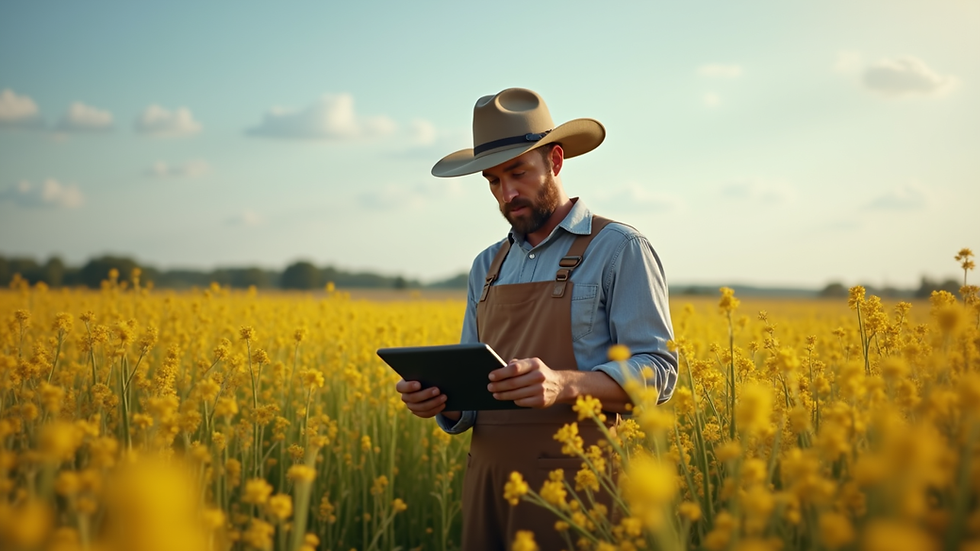
The Importance of Data Management in Farming
Data management is crucial in modern farming for several reasons:
Improved Decision-Making
Farmers often face numerous decisions that can impact their yields and profits. With access to accurate data, they can make informed choices about planting schedules, crop rotation, and resource allocation. For instance, if data shows that a particular crop performs better in specific soil conditions, farmers can adjust their planting strategies accordingly.
Enhanced Resource Management
Efficient resource management is vital for sustainable farming. CropTrack helps farmers monitor water usage, fertilizer application, and pesticide use. By analyzing this data, farmers can reduce waste and lower costs. For example, if soil moisture data indicates sufficient moisture levels, farmers can delay irrigation, saving water and reducing energy costs.
Increased Yield Potential
By utilizing data to optimize farming practices, farmers can significantly increase their yield potential. CropTrack allows for precise tracking of crop health, enabling timely interventions when issues arise. For example, if a farmer notices a decline in crop health through data analysis, they can take immediate action to address the problem, whether it be through fertilization or pest control.
Case Study: A Farmer's Journey with CropTrack
To illustrate the impact of CropTrack, let’s consider the story of John, a mid-sized corn farmer in the Midwest. John had been struggling with inconsistent yields and rising operational costs. After implementing CropTrack, he experienced a remarkable transformation in his farming practices.
Initial Challenges
Before using CropTrack, John relied on traditional farming methods, which often left him guessing about the health of his crops. He faced challenges such as:
Inconsistent Yields: Without accurate data, John could not identify the factors affecting his yields.
Resource Waste: He often overwatered his crops, leading to increased costs and potential crop damage.
Pest Infestations: Early signs of pest issues went unnoticed, resulting in significant crop loss.
Implementing CropTrack
After adopting CropTrack, John began to see immediate improvements:
Real-Time Monitoring: With real-time data collection, John could monitor soil moisture levels and adjust his irrigation schedule accordingly. This change led to a 20% reduction in water usage.
Data-Driven Decisions: The platform's data visualization tools helped John identify patterns in crop health. He discovered that certain areas of his field were more prone to pests, allowing him to target those areas with specific treatments.
Increased Yields: By optimizing his farming practices based on data insights, John saw a 15% increase in his corn yields within the first season of using CropTrack.
Results and Future Plans
John's experience with CropTrack not only improved his yields but also reduced his operational costs. Encouraged by these results, he plans to expand his use of the platform to include additional crops and explore more advanced features, such as predictive analytics.
Best Practices for Using CropTrack
To maximize the benefits of CropTrack, farmers should consider the following best practices:
Regular Data Entry
Consistent data entry is crucial for accurate analysis. Farmers should make it a habit to log data daily or weekly, depending on their operations. This practice ensures that the data reflects current conditions and allows for timely decision-making.
Utilize All Features
CropTrack offers a variety of features that can enhance farming efficiency. Farmers should take the time to explore all available tools, from data visualization to report generation, to fully leverage the platform's capabilities.
Collaborate with Experts
Farmers can benefit from collaborating with agronomists or data analysts who can help interpret the data collected through CropTrack. These experts can provide insights that may not be immediately apparent, leading to more informed decisions.
Stay Updated
Technology is constantly evolving, and CropTrack regularly updates its features. Farmers should stay informed about new tools and enhancements to ensure they are using the platform to its fullest potential.
Conclusion
Maximizing farm efficiency is no longer a distant goal; with tools like CropTrack, it is an achievable reality. By leveraging data management, farmers can make informed decisions, enhance resource management, and ultimately increase their yields. As demonstrated through John's journey, adopting a data-driven approach can lead to significant improvements in farming practices.
For farmers looking to elevate their operations, embracing technology and data management is the way forward. Start your journey with CropTrack today and unlock the full potential of your farm.

Comments